
More and more companies in Romania are analysing not only the price of electricity, but also the structure of their energy contracts. Choosing between a Fixed Price contract and a long-term Power Purchase Agreement (PPA) can significantly affect the stability of a company’s operating costs. In this article we explain how these contract models work and which option may be more suitable for businesses.
Energy as a Strategic Business Cost
In the past, many companies treated energy procurement as a standard operational expense. However, the volatility of the European energy market in recent years, regulatory changes, and the growing importance of ESG reporting have turned energy into an important element of strategic business management.
For many industries, electricity is one of the most significant production costs. In such cases, choosing the right contractual model can directly influence:
- operational margin stability
- budget predictability
- financial credibility and access to financing
- the long-term value of the company
As a result, businesses are increasingly analysing not only energy prices but also the structure and conditions of their contracts.
The Fixed Price Model – Shorter-Term Stability
One of the most commonly used procurement models is the Fixed Price contract.
In this model, the company pays a predetermined electricity price for the entire duration of the contract. Typically, such agreements are signed for 12 to 24 months, although longer terms may sometimes be available.
Advantages of the Fixed Price Model
The main advantage is short-term cost predictability. The company knows exactly how much it will pay for electricity during the contract period, which simplifies financial planning.
This model is particularly popular among companies that:
- want to limit exposure to short-term market volatility
- prefer a straightforward contractual structure
- plan their budgets on an annual basis
What Should Companies Pay Attention To?
Not every offer labelled as “fixed” guarantees full price stability. Some contracts may include indexation clauses or price adjustment mechanisms under certain market conditions.
For this reason, it is important to carefully review the contract structure before signing.
PPA – Long-Term Cost Stability
In recent years, many companies in Romania have become increasingly interested in long-term Power Purchase Agreements (PPAs).
Under this model, a company signs a contract to purchase electricity for 5 to 10 years, often sourced from renewable energy generation.
Why Do Companies Choose PPA Agreements?
The main benefit is long-term energy price stability. Unlike shorter-term fixed contracts, PPAs allow companies to secure electricity prices for many years.
For many organisations, this translates into:
- greater stability in financial planning
- reduced exposure to energy price increases
- support for ESG and sustainability objectives
Additionally, electricity purchased through PPA agreements is often associated with Guarantees of Origin (GO), enabling companies to report reduced emissions under Scope 2.
Which Model Is Best for Your Company?
There is no single contractual model that is optimal for every company.
Choosing between Fixed Price and PPA depends on several factors, including:
- the company’s electricity consumption profile (Load Profile)
- financial strategy and budgeting horizon
- risk tolerance regarding energy market volatility
- long-term investment planning
Companies with stable production processes often prefer long-term cost hedging through PPA agreements, while organisations with more variable consumption may opt for shorter contracts or hybrid procurement models.
The Importance of Load Profile Analysis
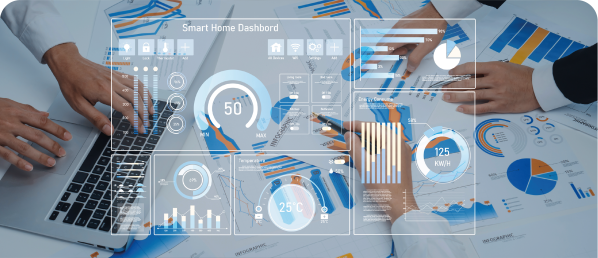
One of the most important elements when designing an energy contract is analysing the company’s actual electricity consumption profile (Load Profile).
Hourly consumption data allows the procurement model to be tailored much more precisely to the company’s operational needs.
Without such analysis, companies may end up paying higher energy prices than necessary based on their real consumption patterns.
For this reason, a professional energy procurement strategy should always include detailed analysis of consumption data.
Energy as Part of Financial Strategy
In many organisations, energy procurement is now managed similarly to other strategic cost components such as raw materials or financing.
A well-structured energy procurement model can directly influence:
- operational cost stability
- financial forecasting accuracy
- the attractiveness of the company to investors and financial institutions
As a result, energy contracts are increasingly treated as part of corporate financial risk management strategies.
Support from the Respect Energy Romania Team
Selecting the right energy contract model requires analysing multiple factors – from electricity consumption data to the company’s financial strategy.
The Respect Energy Romania team supports businesses in analysing their consumption profile and identifying the contractual model that best fits their operational and financial needs.
Thanks to the experience of the Respect Energy Group across multiple European markets, companies can benefit from solutions that include both Fixed Price contracts and long-term PPA agreements.